The Complete Guide to Shadowing for Modern RP British English Pronunciation
Shadowing is one of the most powerful ways to improve your English pronunciation, listening skills, fluency and confidence — and once you learn how to do it properly, it becomes something you can use every day, whether you’re at home, on a walk, or on your commute.
I’m Ashley Howard, a British voice coach, accent specialist, Linklater teacher, and the author of the British English Pronunciation Roadmap series. I’ve spent more than 18 years helping learners develop clearer, more expressive English and stronger vocal confidence.

Quick Start: What You’ll Learn on This Page
What shadowing is and why it’s one of the most effective ways to improve British English pronunciation, fluency and listening.
Where shadowing comes from, including speech science, interpreter training, and Alexander Arguelles’ language-learning method.
How to shadow properly using my three-stage process: listen → repeat → shadow.
The full library of British Accent Shadowing videos, plus free scripts and vocabulary PDFs.
Research-backed reasons why shadowing improves clarity, confidence and natural RP intonation.
Why I Use Shadowing in My Teaching
Over the years, I’ve worked with learners from every background — actors preparing for auditions, professionals wanting to communicate more confidently at work, and multilingual speakers who simply want to feel more at ease in everyday conversation.
One thing I noticed very early on is that many learners understand the sounds of British English intellectually, but struggle to bring them alive in real speech. Shadowing changed that. When I first introduced it in my coaching sessions, I saw learners relax, find their natural rhythm, and speak with far more fluency and ease.
It’s one of the few techniques that genuinely bridges the gap between knowing and doing, which is why I built my entire shadowing series to make this approach accessible to everyone, not just my private clients.
Think of this page as your go-to home for everything related to British accent shadowing practice.

Who Shadowing Is Perfect For
Shadowing is brilliant for many kinds of learners, but it’s especially helpful if:
• You want a clearer, more confident British English accent
Shadowing helps you absorb rhythm, stress, weak forms and intonation — the features that shape the “feel” of an accent far more than individual sounds.
• You use English for work
I’ve had so many clients — from teachers to managers to theatre performers — tell me that shadowing became the quickest way to “warm up” their voice and sharpen their clarity before speaking.
• You struggle to understand fast speech
Shadowing trains your listening so you begin to hear the patterns of natural English, not just individual words.
• You feel hesitant or self-conscious when speaking
Shadowing bypasses overthinking and gets you speaking freely, with real energy and confidence.
• You want a reliable daily pronunciation routine
Shadowing is structured, repeatable, and doesn’t require a speaking partner — which is why many of my clients adopt it as part of their morning routine.
“ Shadowing trains the ear first, the voice second — and confidence throughout. ”
So, What Exactly Is Shadowing?
Shadowing means speaking at the same time as a native speaker, with just a tiny delay — almost like you’re their echo.
It’s not “listen and repeat”. There’s no pausing. You stay with the speaker in real time.
You’re matching:
stress
rhythm
melody
speed
emotion
connected speech
It’s one of the rare techniques that trains listening, pronunciation and fluency simultaneously — which is exactly why it’s so effective.

Where Shadowing Comes From (And Why That Matters)
Shadowing didn’t begin as a trendy YouTube technique; it has deep roots in speech science and professional communication.
1. Early Speech Science (1950s–70s)
Researchers such as C. K. Cherry, Donald Broadbent, and Peter Ladefoged used shadowing to study how quickly people process speech.
They discovered humans can repeat what they hear with delays as short as a quarter of a second.
In other words, our brains are built for this.
2. Interpreter Training Schools (1970s–present)
Shadowing became essential training in prestigious interpreting institutions, including:
the Geneva School of Translation and Interpreting
ESIT in Paris
the Monterey Institute
Experts like Lambert, Seleskovitch & Lederer, and Daniel Gile all describe shadowing as a core exercise to build:
simultaneous listening and speaking
short-term memory
prosody control
focus under pressure
Before interpreters ever switch between languages, they first learn to shadow perfectly within one language.

3. Dr Alexander Arguelles and Language Learners
Polyglot and linguist Dr Alexander Arguelles brought shadowing into mainstream language-learning in the 2000s.
He recommended shadowing:
outdoors while walking
with an upright posture and open breath
first with text, then without
focusing on the “melody” of the language
His work made shadowing accessible to self-study learners worldwide.
4. Modern Pronunciation & Accent Coaching
Today, accent specialists, ESL teachers, actors and voice coaches (myself included) use shadowing to train:
clearer vowels and consonants
smoother connected speech
natural rhythm and phrasing
expressive intonation
confident communication
It’s a technique that truly crosses disciplines — and that’s part of its power.

Why Shadowing Works: What the Research Shows
Shadowing is backed by decades of strong research across linguistics, interpreting studies and education.
1. It strengthens pronunciation
A 2024 systematic review of 44 studies found improvements in:
vowel and consonant accuracy
stress patterns
intonation
rhythm
connected speech
Everything that makes English sound natural.
2. It improves listening dramatically
Studies by Lambert, Hamada, and others show that shadowing enhances:
phoneme discrimination
ability to hear word boundaries
speed of processing
understanding of natural speech
Many learners tell me shadowing was the single thing that helped them finally hear British English properly.
“ The real magic of shadowing is how it bridges the gap between knowing the sounds of English and actually producing them. ”
3. It increases fluency and flow
Shadowing helps you speak in phrases, not isolated words.
Research shows it improves:
speed
smoothness
confidence
natural phrasing
It’s a bit like learning the musical phrasing of a song.
4. It boosts memory and attention
Because you’re listening, processing and speaking at once, shadowing develops:
short-term memory
divided attention
articulatory coordination
Skills used constantly by interpreters — and incredibly useful for learners.
5. It reduces self-consciousness
This is something I notice regularly in lessons: once learners start shadowing, they stop “monitoring” themselves and start speaking.
Their voice opens, their breath settles, and English begins to sound more natural.

The Different Types of Shadowing (And When to Use Them)
1. Script-Supported Shadowing
Shadowing while reading the script.
Best for: beginners and accuracy work.
Why: it frees up your brain so you can focus on matching sounds, stress and rhythm.
2. Audio-Only Shadowing
Shadowing without looking at the text.
Best for: listening and fluency.
Why: your ear becomes your guide rather than your eyes.
3. Prosody-Focused Shadowing
Prioritising rhythm, melody and stress over perfect articulation.
Best for: sounding more natural.
Why: prosody shapes the “feel” of an accent more than anything else.
“ Listening, thinking and speaking at the same time is challenging — and that’s exactly why shadowing works. ”
4. Accuracy (Short-Chunk) Shadowing
Looping short segments for precision.
Best for: tricky or dense lines.
Why: small units allow for detailed correction.
5. Slow-Down Shadowing
Shadowing at a reduced speed.
Best for: beginners or complex extracts.
Why: it gives you time to perceive stress and vowel quality before speeding up.
6. Walking Shadowing (Arguelles Style)
Shadowing while moving.
Best for: breath, fluency, confidence.
Why: movement reduces tension and supports vocal release — something I see frequently in my in-person workshops.

How to Shadow Properly: My Three-Stage Method
My videos follow this exact sequence because it works beautifully for learners at all levels.
Stage 1 — I read the full extract while you listen
Why:
you absorb the meaning and rhythm
you get the “music” of the piece
it prepares your ear for real-time shadowing
Stage 2 — I read each line and leave space for you to repeat
Why:
this builds accuracy without pressure
it prepares your articulators
it helps you tackle difficult lines slowly
it strengthens muscle memory
Many learners find this stage surprisingly reassuring — it’s your chance to settle into the text.
Stage 3 — You shadow the whole extract with me
Why:
it teaches real-time processing
it builds fluency
it reinforces rhythm
it creates flow
it consolidates all the work from Stages 1 and 2
This is the moment learners often tell me, “Oh! I can feel myself speaking differently now.”
British Accent Shadowing Videos, Scripts & Vocabulary Notes
Here is my expanding collection of videos which come with a free downloadable PDF with the text and vocabulary notes.
Wind in the Willows – Part 1
The opening of Wind in the Willows has a warm, inviting rhythm that’s perfect for developing breath flow and natural phrasing. The sentences are rich but not overly complex, allowing you to settle into a smooth shadowing pace.
This passage also offers an excellent balance of narrative description and gentle movement, making it ideal for learners wanting to practise both clarity and expressive storytelling in a Standard Southern British English accent.
Free Download:
Script and vocabulary notes (PDF) -
Download the free vocabulary PDF
What You’ll Practise in This Episode:
The flowing, melodic rhythm typical of early 20th-century British narration.
Light, conversational intonation patterns that rise and fall gently through longer sentences.
Useful connected-speech features such as linking /r/, weak forms (e.g., to, and, of), and natural reductions.
Clear vowel contrasts, especially in words like mole, river, season, suddenly, and spirit.
Pride and Prejudice – Part 1
The famous opening of Pride and Prejudice has a beautifully controlled rhythm that lends itself perfectly to shadowing practice. The phrasing, though formal, is clear and deliberate, helping you refine articulation while also developing a more elegant, confident speaking style.
This extract is ideal for learners who want to practise clear RP consonants, steady pacing, and the kind of poised delivery often associated with classic British narration.
Free Download:
Script and vocabulary notes (PDF) -
Download the free vocabulary PDF
What You’ll Practise in This Episode:
Classic RP intonation patterns used in formal 19th-century narration.
Crisp articulation in sentences with balanced, almost musical rhythm (e.g., “universally acknowledged”).
Key features of connected speech, especially linking and weak forms that naturally appear in longer clauses.
Precise stress timing, particularly in phrases where meaning depends on emphasis.
Pride and Prejudice – Part 2
This second extract from Pride and Prejudice maintains Jane Austen’s beautifully controlled, poised rhythm, offering even more opportunity to refine a classic RP sound. The language is elegant and understated, which encourages precision without strain and helps you develop a confident, balanced delivery.
This passage is ideal for learners who want to deepen their sense of refined articulation, practise smooth pacing through extended clauses, and strengthen the clarity and grace typical of early 19th-century narration.
Free Download:
Script and vocabulary notes (PDF) -
Download the free vocabulary PDF
What You’ll Practise in This Episode:
non-rhoticity — where the 'r' is not pronounced unless it is followed by a spoken vowel sound (e.g. mother, clear, cord, beard). Watch my full explainer on Rhotic vs Non-Rhotic Accents.
Smooth, steady pacing through long, balanced sentences.
Clear articulation in elegant, formal vocabulary.
Subtle expressiveness that matches Austen’s gentle wit and social observation.
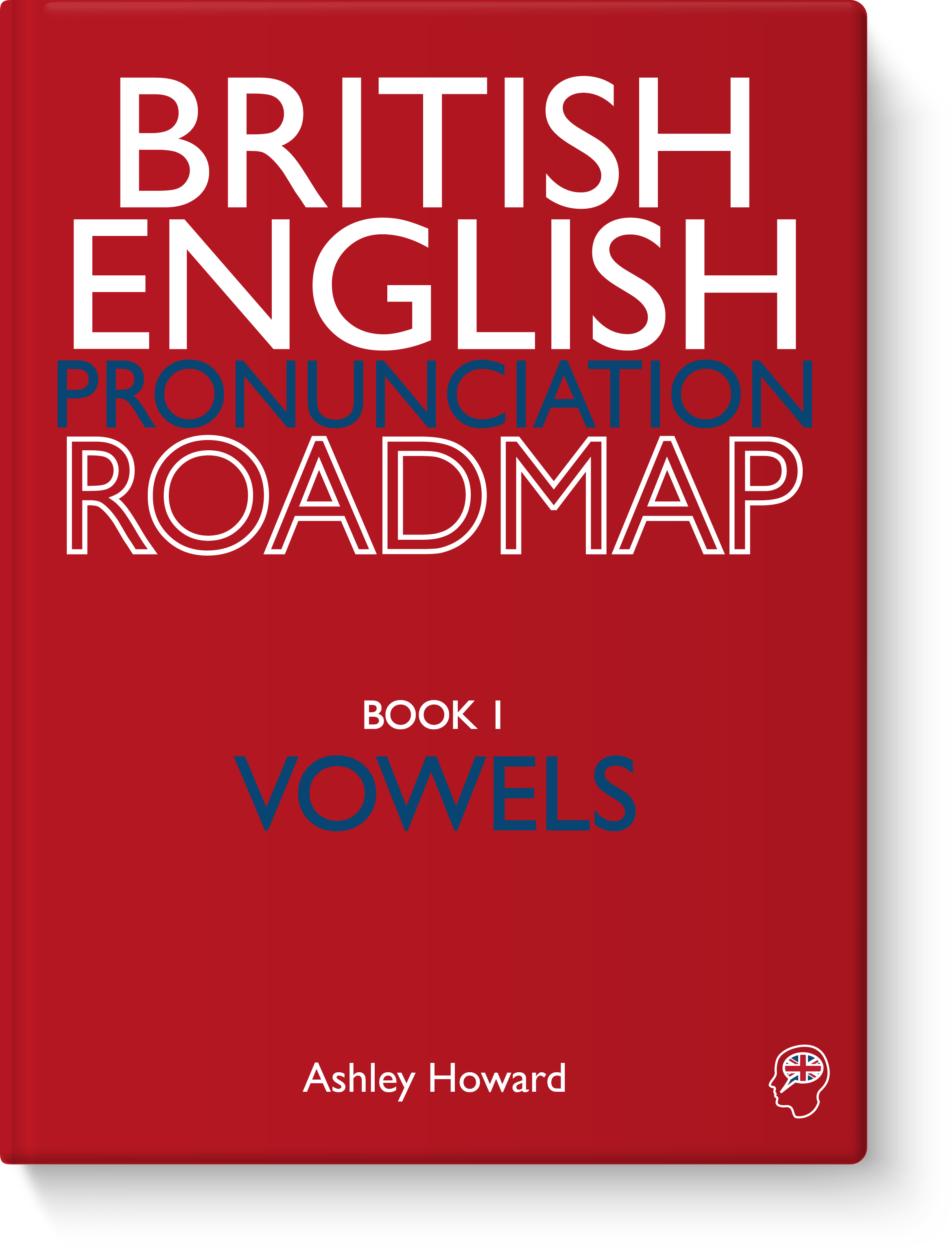
Want to Master the Pronunciation of British English Vowels?
If you’re serious about refining your pronunciation, my first British English Pronunciation Roadmap Book is your ultimate guide.
What’s inside?
over 100 pages of expert techniques
4 hours of audio on your phone for practice
Step-by-step guidance for every sound in Standard Southern British English (RP)
Learn more about the Book here
Bleak House – Part 1
The famous opening of Bleak House has long, rolling sentences and rich description that are perfect for shadowing. Dickens’ writing invites you to work with weighty, grounded delivery while still keeping the flow of the line moving forward. This extract is ideal for learners who want to practise maintaining breath over extended phrases, navigating dense consonant clusters, and developing a more authoritative, confident RP speaking style.
Free Download:
Script and vocabulary notes (PDF) -
Download the free vocabulary PDF
What You’ll Practise in This Episode:
Long, sustained phrases that develop breath control and vocal stamina.
Clear articulation through dense consonant clusters and detailed description.
RP intonation patterns that balance gravity with forward momentum.
Smooth connected speech across complex, multi-clause sentences.
The Adventures of Sherlock Holmes – Part 1
Arthur Conan Doyle’s writing has a sharp, precise rhythm that works beautifully for RP pronunciation practice. The sentences are tightly structured and packed with detail, which encourages clean articulation and steady pacing. This extract is ideal for learners who want to develop a crisp, alert RP speaking style, refine clarity in descriptive passages, and produce connected speech that feels smooth but controlled — perfect for the world of Sherlock Holmes.
Free Download:
Script and vocabulary notes (PDF) -
Download the free vocabulary PDF
What You’ll Practise in This Episode:
Clean, precise articulation typical of classic detective narration.
RP consonant clarity, especially in descriptive and information-rich lines.
Smooth connected speech across tightly structured sentences.
Controlled, balanced intonation that supports a confident, analytical tone.
Jane Eyre – Part 1
Charlotte Brontë’s writing has a thoughtful, introspective rhythm that lends itself beautifully to shadowing. The sentences unfold with a steady, reflective pace, giving you time to shape each sound while still maintaining forward flow. This extract is ideal for learners who want to practise calm, centred RP delivery, refine clarity in longer literary lines, and explore expressive intonation without slipping into exaggeration. It’s a wonderful passage for developing control, ease and emotional subtlety in your spoken English.
Free Download:
Script and vocabulary notes (PDF) -
Download the free vocabulary PDF
What You’ll Practise in This Episode:
Gentle, reflective intonation patterns typical of 19th-century narration.
Smooth connected speech across longer phrases.
Clear articulation of literary vocabulary and multisyllabic words.
Even, well-balanced pacing suited to introspective storytelling.
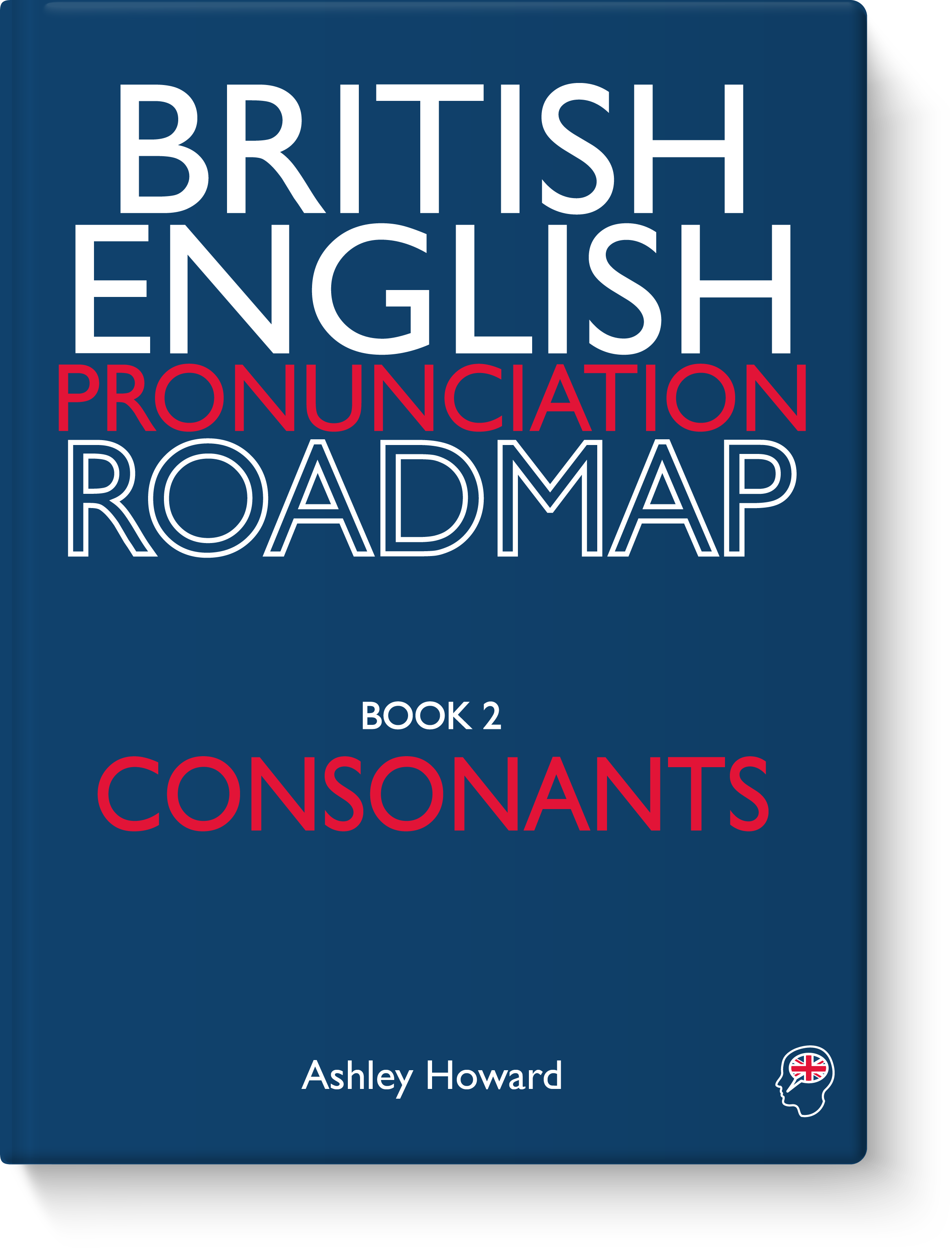
Want to Master the Pronunciation of British English Consonants?
If you’re serious about refining your pronunciation, my second British English Pronunciation Roadmap Book is your ultimate guide.
What’s inside?
over 100 pages of expert techniques
4 hours of audio on your phone for practice
Step-by-step guidance for every consonant sound in Standard Southern British English (RP)
Learn more about the Book here
The Picture of Dorian Gray – Part 1
Oscar Wilde’s writing is elegant, witty and richly textured — perfect for shadowing if you want to refine a polished, expressive RP sound. The sentences carry a graceful, almost musical flow, inviting you to explore subtle shifts in tone and stress. This extract is ideal for learners who want to practise refined articulation, heightened but controlled expressiveness, and the kind of poised rhythm associated with late-Victorian British narration.
Free Download:
Script and vocabulary notes (PDF) -
Download the free vocabulary PDF
What You’ll Practise in This Episode:
Elegant RP intonation patterns characteristic of Wilde's prose.
Smooth, refined connected speech through flowing, descriptive lines.
Clear articulation of ornate literary vocabulary.
Controlled expressiveness without losing clarity or steadiness.
Wuthering Heights – Part 1
Emily Brontë’s writing has a wild, restless rhythm that makes it wonderfully engaging for shadowing practice. The sentences shift between calm observation and sudden emotional force, giving you the chance to work on expressive intonation, vocal grounding and a sense of dramatic contrast. This extract is ideal for learners wanting to practise depth and resonance in RP, navigate descriptive language with clarity, and bring a more textured, emotive quality to their spoken English.
Free Download:
Script and vocabulary notes (PDF) -
Download the free vocabulary PDF
What You’ll Practise in This Episode:
Expressive RP intonation reflecting emotional shifts in the narrative.
Clear articulation through richly descriptive lines.
Smooth connected speech across varied sentence structures.
A grounded, resonant vocal quality suitable for dramatic storytelling.
Frankenstein – Part 1
The opening of Frankenstein has a dark, atmospheric quality that works beautifully for shadowing. Mary Shelley’s sentences often build slowly and thoughtfully, giving you space to explore deeper vocal resonance and expressive RP intonation. This extract is ideal for learners who want to practise clear articulation in descriptive passages, maintain steady breath through longer lines, and bring emotional depth to their spoken English without losing clarity.
Free Download:
Script and vocabulary notes (PDF) -
Download the free vocabulary PDF
What You’ll Practise in This Episode:
TH — we’ll highlight both /θ/ (as in think) and /ð/ (as in this) throughout the passage so you can train them in context. Deep dive: How to pronounce the TH sound (RP)
Smooth connected speech across long, unfolding sentences.
Clear articulation in elevated literary vocabulary.
Breath control to support sustained phrasing and resonance.
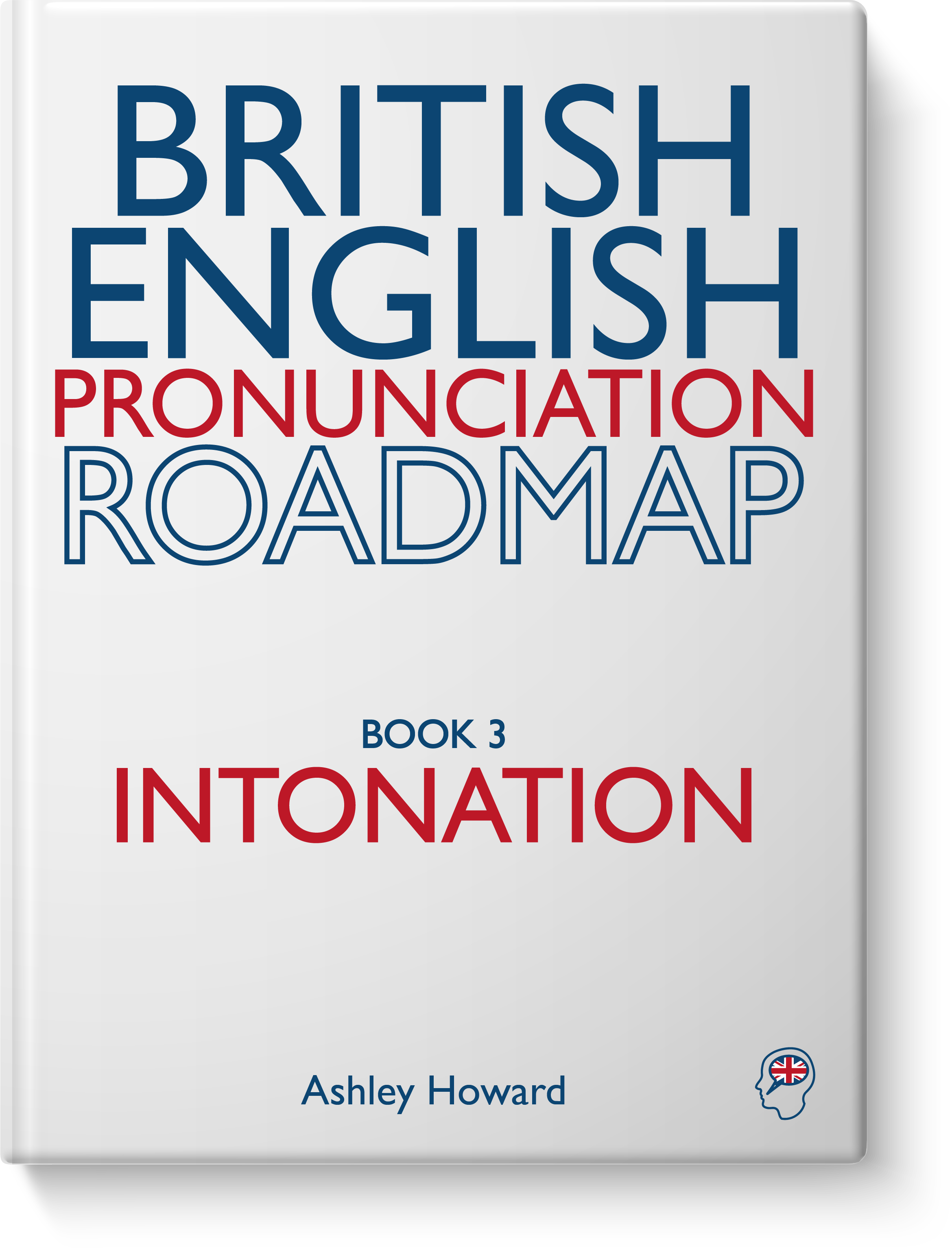
Want to Master British English Intonation?
If you’re serious about refining your intonation, my third British English Pronunciation Roadmap Book is your ultimate guide.
What’s inside?
over 100 pages of expert techniques
4 hours of audio on your phone for practice
Step-by-step guidance for every aspect of intonation in Standard Southern British English (RP)
Learn more about the Book here
1984 – Part 1
George Orwell’s writing is clean, direct and quietly unsettling — an excellent combination for shadowing practice. The clarity of the language allows you to focus on precision and control, while the darker tone of the passage invites more grounded, deliberate RP delivery. This extract is ideal for learners who want to practise steady pacing, crisp articulation, and the kind of calm, measured intonation that suits Orwell’s bleak, dystopian atmosphere.
Free Download:
Script and vocabulary notes (PDF) -
Download the free vocabulary PDF
What You’ll Practise in This Episode:
L — we’ll highlight both the light L (as in ‘lip’) and dark L (as in ‘pill’) throughout the passage so you can train them in context. Deep dive: How to pronounce the L sounds (RP)
Smooth connected speech across straightforward but weighty prose.
Crisp articulation in simple yet powerful vocabulary.
Steady pacing that supports a sober, dystopian tone.
Robinson Crusoe – Part 1
Daniel Defoe’s writing is steady, clear and wonderfully practical — making it excellent for shadowing if you want to build confident, grounded RP. The sentences often have a calm, matter-of-fact rhythm, which helps you focus on clarity and consistency without feeling rushed. This extract is ideal for learners who want to strengthen articulation in older 18th-century vocabulary, practise smooth connected speech, and develop a reliable, even tone that suits this reflective, autobiographical style.
Free Download:
Script and vocabulary notes (PDF) -
Download the free vocabulary PDF
What You’ll Practise in This Episode:
the RP “R”. Full tutorial: How to pronounce the RP “R”
Clear articulation through 18th-century phrasing and vocabulary.
Smooth connected speech across calm, evenly paced sentences.
Consistent vocal tone for descriptive and autobiographical passages.
Vanity Fair – Part 1
William Thackeray’s writing is lively, witty and sharply observant — a brilliant combination for shadowing practice. His sentences often carry a playful rhythm with sudden shifts in tone, giving you plenty of opportunities to explore expressive RP intonation without losing clarity. This extract is ideal for learners who want to practise sharper articulation, varied vocal phrasing and the energetic, slightly satirical style that characterises Vanity Fair.
Free Download:
Script and vocabulary notes (PDF) -
Download the free vocabulary PDF
What You’ll Practise in This Episode:
NG (/ŋ/). Full tutorial – NG in an RP British accent
Clear articulation through witty, fast-moving prose.
Smooth connected speech across varied sentence structures.
Energetic but controlled delivery suited to satire and social commentary.
The War of the Worlds – Part 1
H. G. Wells’ writing is clear, direct and quietly dramatic — a great fit for shadowing practice. The narration moves between calm observation and growing tension, allowing you to explore expressive RP delivery without pushing into exaggeration. This extract is ideal for learners who want to develop confident pacing, practise crisp articulation in scientific or descriptive vocabulary, and create a grounded, atmospheric tone in their spoken English.
Free Download:
Script and vocabulary notes (PDF) -
Download the free vocabulary PDF
What You’ll Practise in This Episode:
the /w/ sound. Watch my full tutorial: How to Pronounce W in RP British English
Clear articulation in descriptive and quasi-scientific vocabulary.
Smooth connected speech through steady, observational prose.
Confident pacing to support a tense, atmospheric tone.
Sense and Sensibility – Part 1
The opening of Sense and Sensibility has a warm, elegant rhythm that lends itself beautifully to RP shadowing. Austen’s sentences are balanced and refined, giving you the perfect environment to focus on clarity — especially for stronger consonants like P, T and K. This extract is ideal for learners who want to sharpen their articulation, practise clean onsets, and develop the kind of poised, steady delivery associated with early 19th-century narration.
Free Download:
Script and vocabulary notes (PDF) -
Download the free vocabulary PDF
What You’ll Practise in This Episode:
P, T, and K. For a full tutorial, watch my dedicated video on P, T & K in RP British English
Smooth connected speech across Austen’s balanced, flowing sentences.
Refined intonation patterns typical of early Regency narration.
A poised, elegant delivery that supports both clarity and expressiveness.
Lady Chatterley’s Lover – Part 1
The opening of Lady Chatterley’s Lover has a darker, more reflective rhythm, with long, emotionally weighted sentences that are excellent for advanced shadowing practice.
Lawrence’s prose moves between broad historical reflection and close psychological observation, giving you the chance to practise controlled pacing, expressive stress, and subtle shifts in tone.
This extract is ideal for learners who want to develop a more mature, fluent delivery in Standard Southern British English, especially when working with complex literary language, longer breath groups, and emotionally charged narration.
Free Download:
Script and vocabulary notes (PDF) -
Download the free vocabulary PDF
What You’ll Practise in This Episode:
Natural phrasing through longer, more reflective sentences.
Clear articulation of emotionally weighted vocabulary such as tragic, cataclysm, melancholy, flippant, and insentience.
Connected speech across complex sentence structures.
Expressive intonation for narration that moves between restraint, sadness, resilience, and psychological insight.
A steady, thoughtful delivery suitable for serious literary prose.
A Christmas Carol – Part 1
The opening of A Christmas Carol has a wonderfully dramatic, comic rhythm, with Dickens’s narrator moving between certainty, exaggeration, wit, and vivid character description.
This extract is ideal for shadowing because the language is energetic and highly expressive, giving you the chance to practise crisp articulation, strong contrasts in stress, and a lively narrative tone.
It is especially useful for learners who want to develop clearer spoken English, stronger storytelling rhythm, and a more confident delivery in Standard Southern British English.
Free Download:
Script and vocabulary notes (PDF) -
Download the free vocabulary PDF
What You’ll Practise in This Episode:
Clear phrasing through Dickens’s lively, characterful narration.
Expressive stress in repeated ideas such as Marley was dead and as dead as a door-nail.
Articulation of rich descriptive vocabulary such as tight-fisted, covetous, solitary, grating, and gladsome.
Connected speech across long descriptive lists and humorous asides.
A vivid storytelling delivery that balances comedy, sharp observation, and dramatic atmosphere.
To The Lighthouse – Part 1
The opening of To the Lighthouse has a fluid, inward-looking rhythm, with Virginia Woolf moving between spoken dialogue, childhood feeling, and deep psychological observation.
This extract is especially valuable for shadowing because the sentences often flow like thought itself, giving you the chance to practise subtle pacing, expressive stress, and the delicate rise and fall of Standard Southern British English.
It is ideal for advanced learners who want to work with literary English that is emotionally precise, rhythmically complex, and full of shifting inner life.
Free Download:
Script and vocabulary notes (PDF) -
Download the free vocabulary PDF
What You’ll Practise in This Episode:
Careful phrasing through Woolf’s long, flowing sentence structures.
Expressive intonation that moves between hope, disappointment, tenderness, and emotional intensity.
Clear articulation of advanced vocabulary such as extraordinary, expedition, crystallise, transfix, radiance, uncompromising, and extinguished.
Connected speech across complex clauses and parenthetical thoughts.
A sensitive, reflective delivery that helps bring out the contrast between Mrs Ramsay’s warmth, James’s intense inner world, and Mr Ramsay’s blunt certainty.
The Railway Children – Part 1
The opening of The Railway Children has a clear, warm, conversational rhythm, with E. Nesbit introducing the children’s ordinary home life before hinting that everything is about to change.
This extract is excellent for shadowing because the language is accessible but still beautifully shaped, giving you the chance to practise natural phrasing, gentle narrative humour, and clear Standard Southern British English speech.
It is ideal for learners who want to build fluency with authentic literary English that is easier to follow than some of the more complex classic novels.
Free Download:
Script and vocabulary notes (PDF) –
Download the free vocabulary PDF
What You’ll Practise in This Episode:
Natural phrasing through Nesbit’s clear, story-driven sentences.
Expressive intonation for gentle humour, warmth, and narrative contrast.
Clear articulation of useful vocabulary such as suburban, villa, convenience, nursery, merry, occasion, and unjust.
Connected speech across descriptive lists and longer clauses.
A warm, engaging storytelling delivery that helps you sound clear, relaxed, and fluent in British English.
Peter And Wendy – Part 1
The opening of Peter and Wendy has a playful, ironic, and gently magical rhythm, with J. M. Barrie moving between childhood, family life, and the strange sadness of growing up.
This extract is excellent for shadowing because the narration is witty and musical, giving you the chance to practise expressive phrasing, subtle humour, and clear Standard Southern British English speech.
It is ideal for learners who want to develop fluency with classic literary English that is imaginative, emotionally layered, and full of narrative charm.
Free Download:
Script and vocabulary notes (PDF) –
Download the free vocabulary PDF
What You’ll Practise in This Episode:
Natural phrasing through Barrie’s playful, conversational narration.
Expressive intonation for humour, wonder, tenderness, and irony.
Clear articulation of useful vocabulary such as delightful, henceforth, conspicuous, simultaneously, innermost, gleefully, and imploringly.
Connected speech across longer descriptive sentences and parenthetical thoughts.
A light, imaginative storytelling delivery that helps you sound clear, expressive, and fluent in British English.
The Portrait Of A Lady – Part 1
The opening of The Portrait of a Lady has a refined, leisurely rhythm, with Henry James carefully building an atmosphere of afternoon tea, summer light, and upper-class English ease.
This extract is excellent for shadowing because the sentences are elegant and highly controlled, giving you the chance to practise longer phrasing, precise articulation, and subtle shifts in tone.
It is ideal for advanced learners who want to work with rich literary English, sophisticated sentence structure, and a poised Standard Southern British English delivery.
Free Download:
Script and vocabulary notes (PDF) –
Download the free vocabulary PDF
What You’ll Practise in This Episode:
Long, elegant phrasing through Henry James’s carefully balanced sentences.
Expressive intonation for calm observation, gentle irony, and aesthetic appreciation.
Clear articulation of advanced vocabulary such as agreeable, circumspection, desultory, mellow, pastime, peculiarly, votaries, and wane.
Connected speech across formal, descriptive prose and extended clauses.
A composed, reflective delivery that helps you sound clear, fluent, and expressive in British English.
The Phoenix And The Carpet – Part 1
The opening of The Phoenix and the Carpet has a lively, mischievous rhythm, with E. Nesbit capturing the quick intelligence, rivalry, and comic logic of children planning something they probably shouldn’t do.
This extract is excellent for shadowing because the dialogue is energetic and characterful, giving you the chance to practise natural speech rhythm, quick changes of tone, and clear Standard Southern British English delivery.
It is ideal for learners who want to build fluency with playful, story-driven English that includes both narration and lively conversation.
Free Download:
Script and vocabulary notes (PDF) –
Download the free vocabulary PDF
What You’ll Practise in This Episode:
Natural phrasing through Nesbit’s fast-moving narration and dialogue.
Expressive intonation for teasing, irritation, excitement, and comic disagreement.
Clear articulation of useful vocabulary such as celebration, disagreeable, disgraced, rummaging, snigger, steadiness, and languid.
Connected speech across quick conversational exchanges and longer explanatory sentences.
A lively, animated storytelling delivery that helps you sound clear, fluent, and expressive in British English.
Mansfield Park – Part 1
The opening of Mansfield Park has a controlled, ironic, and socially observant rhythm, with Jane Austen quietly laying out the family history, marriages, money, status, and resentments that shape the world of the novel.
This extract is excellent for shadowing because Austen’s sentences are precise and layered, giving you the chance to practise elegant phrasing, subtle emphasis, and clear Standard Southern British English delivery.
It is ideal for advanced learners who want to develop fluency with formal literary English, social irony, and longer sentence structures.
Free Download:
Script and vocabulary notes (PDF) –
Download the free vocabulary PDF
What You’ll Practise in This Episode:
Controlled phrasing through Austen’s long, carefully balanced sentences.
Expressive intonation for irony, social judgement, family tension, and understated humour.
Clear articulation of advanced vocabulary such as captivate, equitable, scruple, contemptible, conjugal, imprudent, remonstrance, and intercourse.
Connected speech across formal narration, embedded clauses, and complex sentence structures.
A poised, intelligent delivery that helps you sound clear, fluent, and expressive in British English.
The Tale Of Peter Rabbit – Part 1
The Tale of Peter Rabbit has a clear, simple, and lively storytelling rhythm, with Beatrix Potter moving quickly from cosy family life into mischief, danger, and escape.
This extract is excellent for shadowing because the language is accessible but full of action, giving you the chance to practise clear pronunciation, natural phrasing, and expressive Standard Southern British English speech.
It is ideal for learners who want to build fluency with a familiar children’s classic while working on rhythm, intonation, and confident reading aloud.
Free Download:
Script and vocabulary notes (PDF) –
Download the free vocabulary PDF
What You’ll Practise in This Episode:
Clear, simple phrasing through Beatrix Potter’s direct and vivid narration.
Expressive intonation for warning, mischief, fear, urgency, and relief.
Clear articulation of useful vocabulary such as mischief, dreadfully, frightened, unfortunately, implored, exert, wriggled, and scuttered.
Connected speech across short action sentences and longer descriptive passages.
A bright, energetic storytelling delivery that helps you sound clear, natural, and expressive in British English.

Coming Soon: The British Accent Shadowing Podcast
Many learners love shadowing while moving around — walking, commuting, cooking — without needing a screen.
For that reason, I’m creating a British Accent Shadowing Podcast, an audio-only version of my shadowing materials.
It will be available on:
Apple Podcasts
Spotify
Google Podcasts
and other major platforms
The moment it's live, I’ll link it here.
Later, I’ll also be releasing longer, premium shadowing materials, including:
full chapter readings
guided prosody sessions
extended practice tracks
These will sit on a dedicated sales page once ready.
Keep In The Loop
Be first in line to get free resources and opportunities to learn with Ashley.
Frequently Asked Questions
Does shadowing help with accents?
Yes. Shadowing trains the rhythm, melody and connected speech patterns that shape an accent. Over time, your speech naturally begins to resemble the model you’re shadowing.
How do you do English shadowing?
Shadowing means speaking with a native speaker in real time.
The simplest method:
Listen once
Repeat each line
Shadow the full extract
That’s the structure I use in every video.
How can I get a British accent quickly?
There’s no instant fix, but shadowing is one of the fastest ways to improve.
To accelerate your progress:
shadow daily
record yourself
use clear RP models
pay attention to weak forms and linking
shadow longer extracts, not just short sentences
Is shadowing a good way to learn English?
Absolutely. Research shows strong improvements in pronunciation, fluency, listening and confidence. It’s also enjoyable and energising.
What is the best British accent shadowing practice?
A combination of:
listening
repetition
real-time shadowing
varied texts
consistent daily practice
This page gives you everything you need to build that routine.
Is there a British accent shadowing app?
Not officially, but the upcoming British Accent Shadowing Podcast will work in the same way — a simple, portable listening tool.
Can beginners do shadowing?
Yes — just start with short extracts and take it slowly. Beginners often improve faster than they expect because shadowing builds confidence early on.
Final Thoughts
Shadowing is simple, powerful and effective — one of the few techniques that improves pronunciation, fluency, listening and confidence all at the same time.
Use the videos, scripts and notes on this page as your structured practice library, and return whenever you want to deepen your skills.

Ashley Howard is a UK-based voice coach with 18+ years of experience helping professionals and individuals develop clear, authentic, and confident communication.